Categories
Author Exhibition

“World word alive”: Fred Wah at Malaspina 

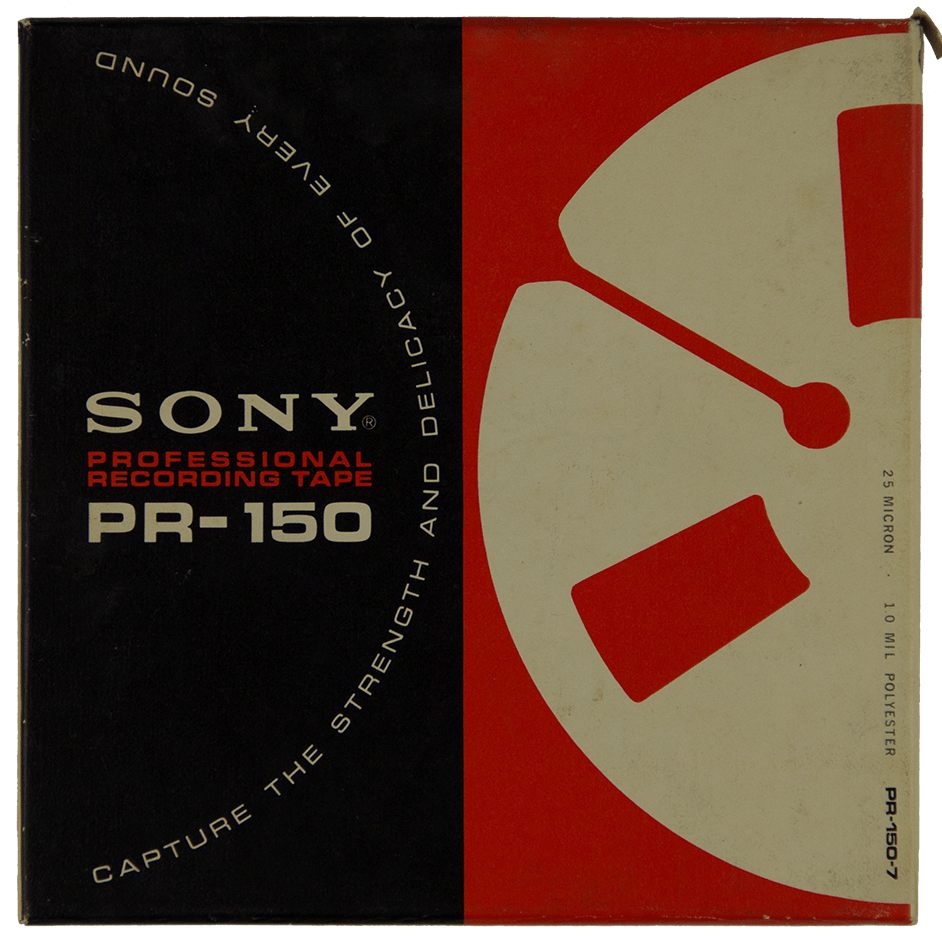
By Klara du Plessis  On 3 February 1972 at 8pm, Fred Wah was recorded on ¼ inch magnetic tape reading at Malaspina College (now Vancouver Island University) in Nanaimo, B.C. The event was sponsored by the Canada Council for the Arts and formed part of a two-month series that included other poets such as Stan Persky and Robert Kroetsch. The reel-to-reel is part of the Fred Wah fonds in the SoundBox Collection at the University […]

Categories
Author

Basil Bunting

British modernist poet, Basil Bunting (1900-1985), was born in Scotswood-on-Tyne, Northumberland, and passed away in Hexham, Northumberland. His life overlapped with both World Wars. He was drafted during World War I and subsequently imprisoned for being a conscientious objector. During World War II, he enlisted in the Royal Air Force and worked for the British Intelligence as a translator in Persia (now Iran), staying on well beyond the tenure of his appointment. Despite numerous collections, Bunting’s autobiographical long poem, Briggflats (1966)—with references to medieval literary subject matter and style—is his most influential book of poetry. It exemplifies his lifelong interest in the sound of poetry and comes to life when read out loud. Bunting’s friendship with Peter Quartermain brought him to Vancouver in 1970 and 1984. Quartermain’s biography, Basil Bunting: Poet of the North, remains the authoritative study of Bunting’s life.

Categories
Author

Robert Creeley

Robert Creeley (1926-2005) was born in Arlington, Massachusetts, and passed away in Odessa, Texas. As an important figure in twentieth-century American literature, he is well known for his association with the Black Mountain Poets, his professional friendships with William Carlos Williams and Charles Olson, and is celebrated for his influential poetic merging of concision and minimalism with robust affective momentum. His equal impact on Canadian poetry can be traced through his appearances at the 1963 Vancouver Poetry Conference, the Sir George Williams poetry series, among other innovative and significant literary events of the time. Creeley is the author of over sixty books of poetry, prose, essays, and interviews. He was also an editor and professor at various institutions, including the University at Buffalo, Brown University, and a temporary appointment at the University of British Columbia in 1962. Creeley was the recipient of several honours, including the prestigious Bollingen Prize for achievement in American poetry, awarded in 1999.

Categories
Author

Robert Duncan

Robert Duncan (1919-1988) was born in Oakland, California, and passed away in San Francisco, California. In fact, he spent the majority of his life in California—with some important exceptions during a stint in New York City, integrating into the downtown coterie surrounding Anaïs Nin, and later teaching at Black Mountain College—and played a foundational role in the poetry movement now known as the San Francisco Renaissance, promoting a local poetics. Duncan’s poetry was informed by the occult upbringing he received from his adopted parents. It is also collage-like, often serial in form, and deeply engaged with processual structures of language itself. His 1973 collection The Opening of the Field offers a clear nod in the direction of Charles Olson, a major influence and the subject of his 1961 lecture hosted at Ellen and Warren Tallmans’ basement in Vancouver. Duncan lived openly as a gay man and his landmark essay, “The Homosexual in Society,” preceded by a decade any organized queer rights movement in the U.S.

Categories
Author

Earle Birney

Earle Birney (1904-1995) was born in Calgary, Alberta, and passed away in Toronto, Ontario. He published over twenty books of poetry that vary greatly in form, content, and method, but that cohere along the lines of experiment, play, and a deep love of language. His writing won him a variety of prizes, notably the Governor General’s Award for poetry, both for David and Other Poems (1942) and for Now Is Time (1945), and the Stephen Leacock Medal for his darkly comic novel about the Second World War, Turvey (1950). Birney’s literary output extends across genres, including poetry, fiction, and playwriting, and his community outreach includes editorial work, as well as the founding and directing of the first Canadian creative writing program at the University of British Columbia. Birney’s impact on Canadian literature can be summarized, in George Bowering’s words: Birney was “the Dean of Canadian Poetry, […] the Federal Minister of Poetry” (Bowering at Birney Reading 23 February 1968, Sir George Williams Poetry Series, 00:00:23).